My teenage dream of becoming an actor was short-lived. When I arrived at my first acting class, the door was locked and there was a sign saying something about low enrollment.
I was asked if I wanted to volunteer in one of the other programs they offered. Little did I know, that cancelled class would shape my career. I began volunteering in a drama program for people with developmental disabilities.

Christina producer and screenwriter Brooke and I met teaching in developmental services. After class, Brooke and I would go for coffee and discuss our clients - the things they said, their perspectives on the world, the way they cared for one another, and the unique challenges in their lives.
Fast forward almost two decades: We have worked with people with developmental disabilities at half a dozen organizations across Toronto as program facilitators, teachers, support workers and job coaches. We have also developed parallel careers as theatre creators and filmmakers. In making Christina, these worlds came together.
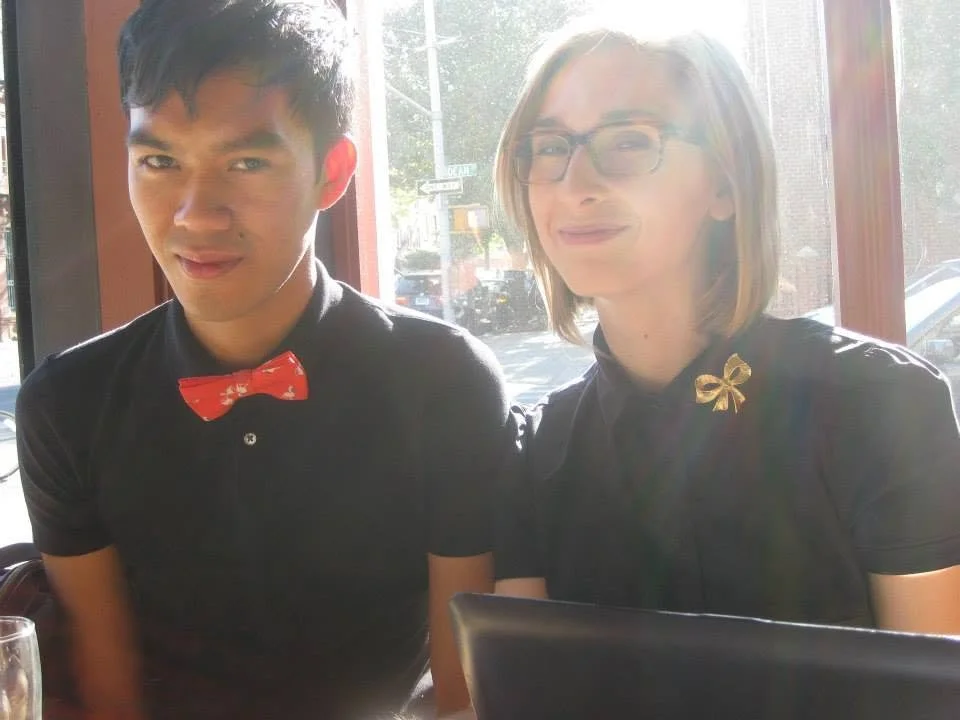
Though we’ve consulted on each others’ projects over the years, Christina was the first opportunity Brooke and I had to make something together. We developed the script collaboratively, leaving room for lived experience consultation and for the actors to influence and contribute to the story. Once Brooke had written a treatment, I’d tear it open, rearrange scenes, and cut things unapologetically. Brooke would write another draft, and I’d do the same thing again. Tear it up. Somehow this worked for us.
We also brought community members with lived experience into the process. Wendy Chalmers/Lindsey Chalmers, Kathryn Primrose/Nicole Flynn, and Janet Miller Pitt/Emily Pitt are mother-daughter duos who read drafts of the script and shared with us where we got it right and where we might have missed the mark. Eventually this became a script that we were happy with. Success, for us, was a film that showed surprising new sides of the community while also telling a universal story about adulthood and aging.
Christina celebrates the courage and tenacity of the people we have met in the community of adults with developmental disabilities who are striving to live independent lives and fighting for the resources to do so. With the support of incredible caregivers, many have moved in with roommates, found jobs, traveled to university on public transportation, fallen in love and married. Christina captures the challenges and frustrations, as well as the joys of navigating adulthood as a person with a disability.

The film is also about how relationships with our parents change as we age. I think anyone who has experienced the psychological shift from “maturing child of a concerned parent” to “concerned child of an aging parent” will relate to Christina’s journey. This is not a story that is unique to the disability community. It is a universal experience. It’s hard to think of a more important moment of growth and maturity than when we bear witness to our parents’ fragility and take that on as our responsibility.

I am so grateful for the powerful performances that Kimberly Weir (in her debut acting role) and Juno Rinaldi gave to this film. Kimberly brought a quiet but fierce integrity to her performance as Christina, while Juno captured the heart-wrenching emotion of a woman who is trying to remain strong in the face of illness.
I hope that my approach to sound and image in Christina feels intimate without being intrusive. By blending social realism with humour and tenderness, I have attempted to strike a balance between seeing events through Christina’s inner world and directing a thoughtful gaze on a young woman’s quest for adulthood on her own terms.
- Gerald Patrick Fantone